Water Impact
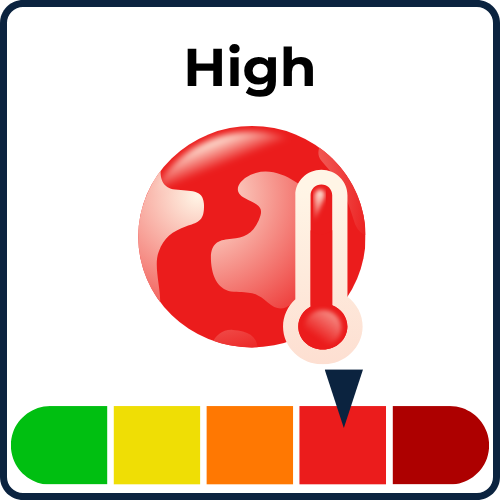
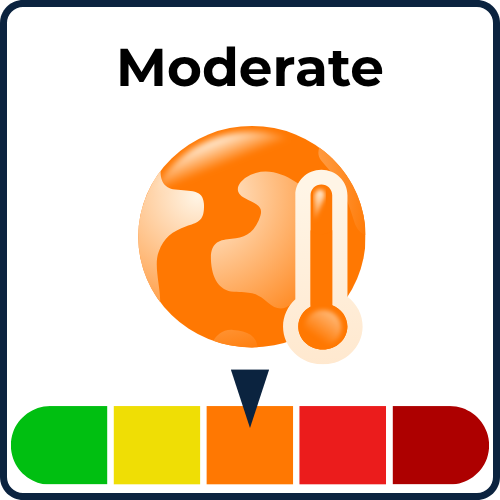
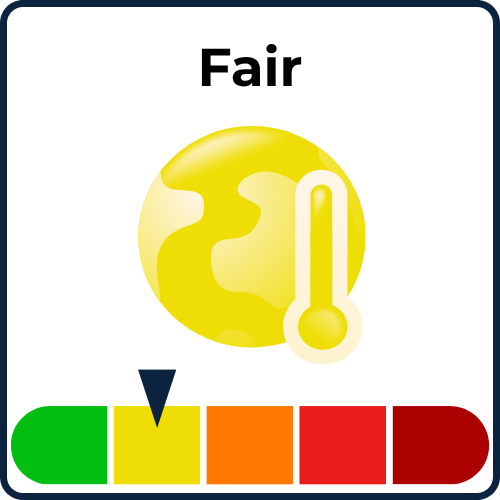
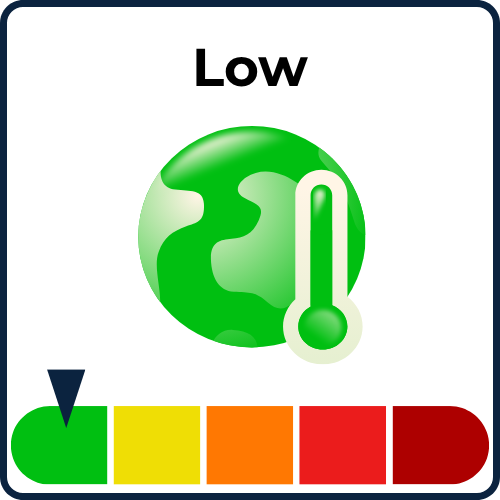
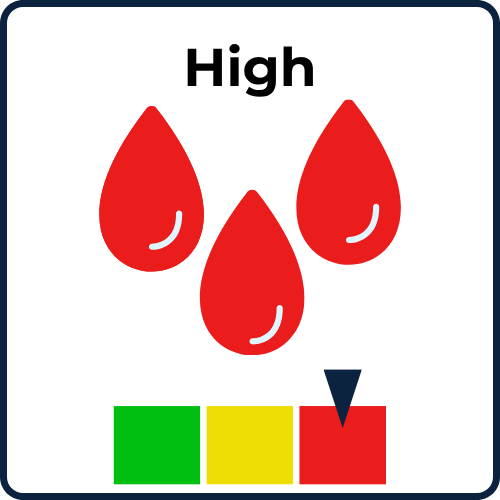
The Planetary Foodprint Calculator estimates how much freshwater is needed to produce a meal. Protecting water resources is important to conserving water for human communities and wildlife, especially vulnerable aquatic ecosystems.
Food production can drastically deplete ground and surface water sources. Agricultural inputs, such as fertilizers and pesticides, cause widespread pollution as the water used on fields, pastures, and other systems, including rainwater, is carried into rivers, lakes, seas, and oceans. High concentrations of nutrients, pesticides, and eroded soils in water disrupt sensitive aquatic ecosystems and severely harm biodiversity.
Water is heavily used to irrigate crops, although the demand can differ widely between crop varieties. In the case of animal products, a significant amount of water is needed to grow livestock feed and is used in processing animals into meat, in addition to the water directly consumed by the animals. The mismanagement of livestock waste is also a major source of water pollution.
Including more plant-based meals and less of the most water-intensive foods can dramatically reduce overall foodprints.