GWP100 vs GWP20
The Planetary Foodprint Calculator brings a unique comparison of the global warming potential of meals by generating short-term, powerful methane calculations.
Greenhouse gases vary in their effects on the climate, how long they stay in the atmosphere, and how they absorb energy. In the short term methane is 86 times more powerful than carbon as a greenhouse gas in its global warming potential (GWP). That’s why the Intergovernmental Panel on Climate Change issued an urgent call to draw down methane emissions. In its 2025 report, it emphasizes that lowering methane emissions is the fastest and most cost-effective way to combat global warming.
But standard measurements still rely on GWP100 to compare the impact of gases over 100 years. While this is a useful standard in many scenarios, it underestimates the true climate cost of methane-intensive industries like food production. Our calculator uses GWP100 and GWP20 side by side to provide a clearer picture of the effects of meal choices on the climate, especially for the animal foods driving agricultural methane.
This gives a more accurate look at the powerful effect of methane in food systems and the opportunity to reduce warming by drawing down methane emissions.
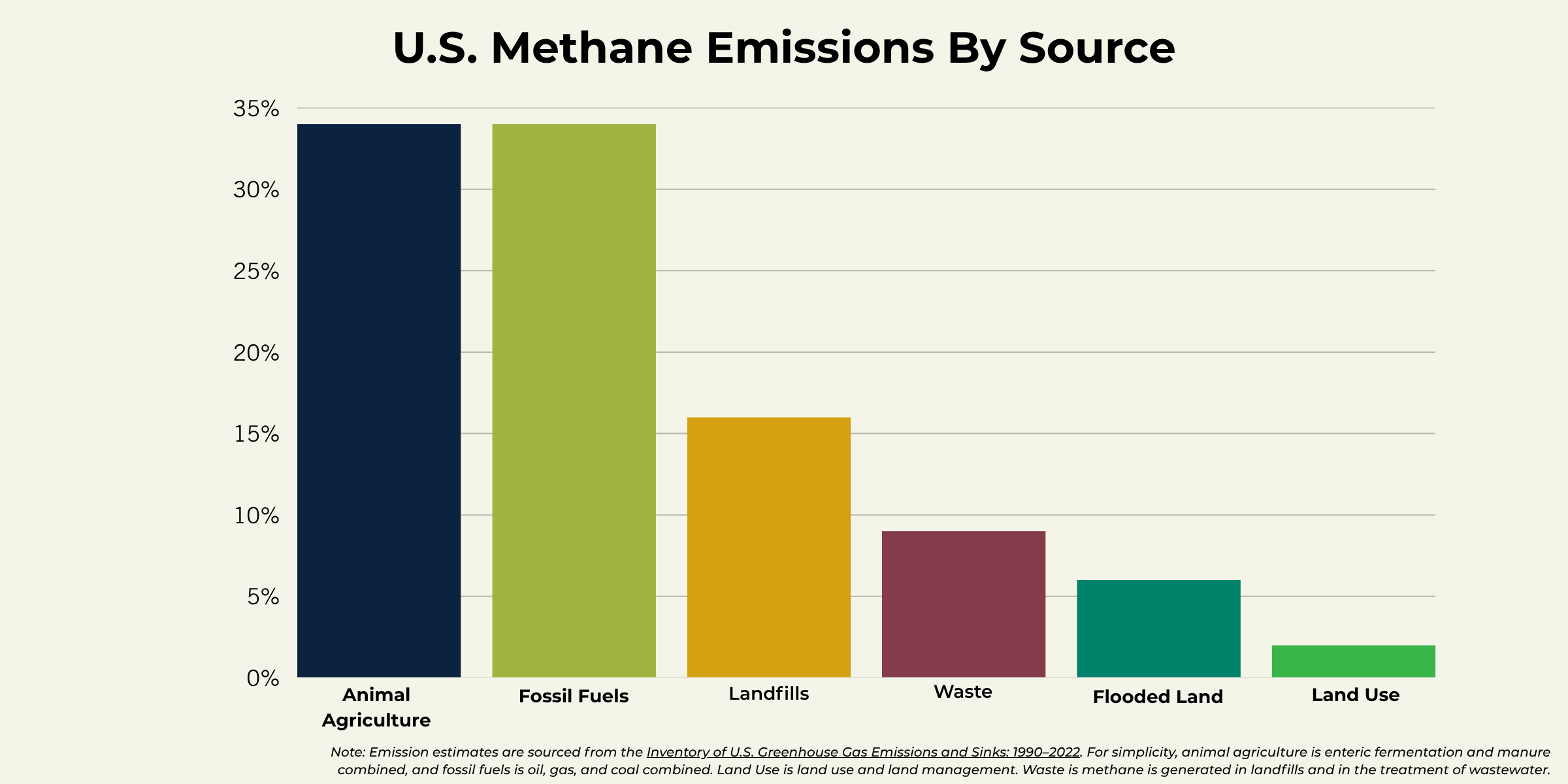
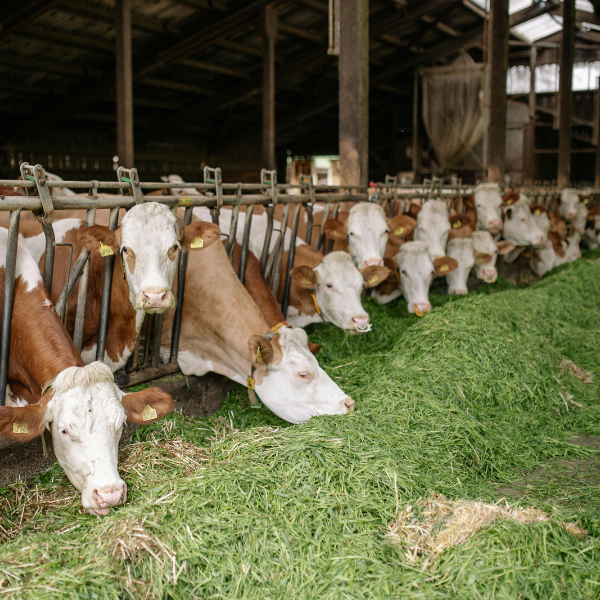
Most agricultural methane comes from cattle. Consuming fewer cattle products, like beef and dairy, and shifting to plant-based foods are powerful strategies to help draw down methane and reduce overall food-related emissions.
A note on “GWP*”: This alternative metric has been proposed by the livestock industry to measure short-lived climate pollutants like methane. “GWP*” changes the way emissions are measured to discount the ongoing impact of large herds. Industry-manipulated tools like these downplay the real picture of the industry’s contribution to the climate crisis and can distract from the urgent need for reductions in greenhouse gas emissions. (Read this statement from leading climate scientists, including IPCC authors.)
Keep exploring

More Resources
Visit TakeExtinctionOffYourPlate.com to learn about how food impacts the planet.